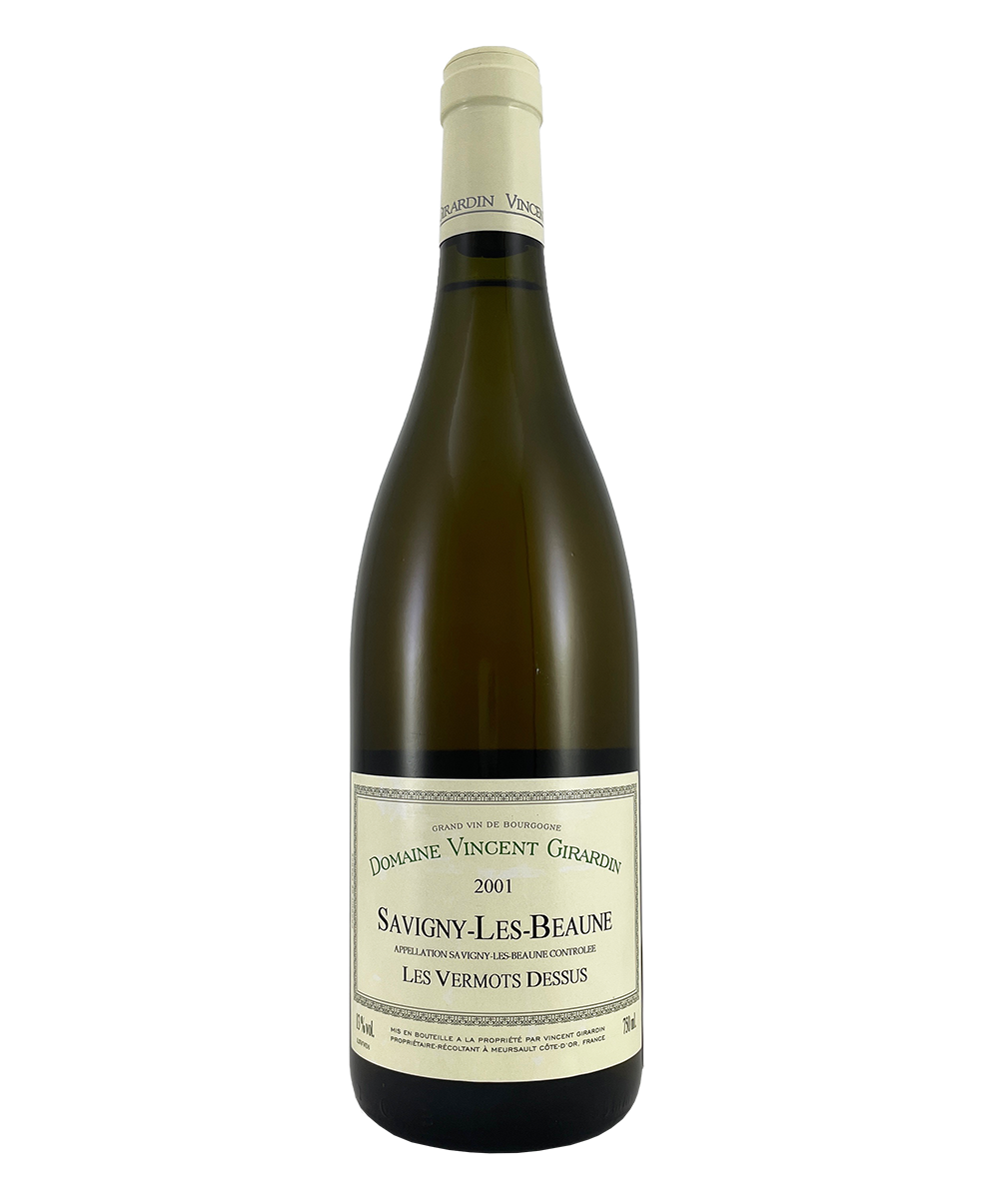
Notes:
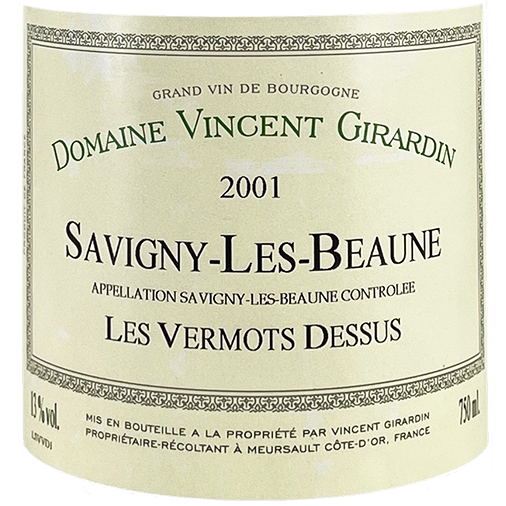
Clean, bright and pure with more vibrancy of fruit and a certain freshness to the somewhat earthy, citrus-infused, juicy flavors and fine acid/fruit balance on the medium length finish. Also meant to be enjoyed young and I prefer this to the Beauregard for its better finishing grip. Burghound 86
Producer: Vincent Girardin founded his domaine in 1982 at just eighteen years of age, beginning with only a small inheritance of family vineyards before steadily expanding into one of Burgundy's most respected négociant-éleveur and domaine operations. During the 1990s and early 2000s, Girardin earned a reputation for producing meticulously crafted Chardonnay and Pinot Noir from throughout the Côte de Beaune and Côte de Nuits, emphasizing careful vineyard sourcing and restrained élevage. In 2001, the wines reflected the philosophy that helped establish the domaine's reputation: hand harvesting, rigorous fruit selection, indigenous yeast fermentations, and measured oak usage designed to preserve terroir rather than dominate it. White wines were fermented and aged in large-format French oak barrels with limited new oak, allowing texture to develop without excessive wood influence. Lees aging was employed to build complexity while avoiding bâtonnage in order to preserve freshness and mineral precision. These practices helped define Vincent Girardin as one of the leading white Burgundy producers of his generation, producing wines that balanced richness with tension and consistently reflected their individual appellations.
Vineyard: The Savigny-lès-Beaune Blanc is sourced from the climats Les Gollardes and Les Vermots Dessus, located on the upper slopes of Savigny-lès-Beaune. These parcels are planted on hard calcareous gravel over limestone, relatively poor soils that naturally limit vigor and contribute to the wine's mineral profile. Chardonnay occupies only a small percentage of the vineyards in Savigny-lès-Beaune, an appellation historically associated with red wine, making quality white examples comparatively uncommon. The combination of higher-elevation sites, limestone-rich soils, and mature vines averaging approximately fifty years of age produces Chardonnay with bright acidity, floral aromatics, and pronounced mineral character.
Winemaking: Fruit was harvested manually before careful sorting and gentle pneumatic pressing. After a light settling of the must, alcoholic and malolactic fermentations proceeded naturally in 500-liter French oak barrels, approximately 10% of which were new, using indigenous yeasts and bacteria. The wine remained on its fine lees for 15 months without bâtonnage, allowing texture to develop while preserving freshness and precision. One month before bottling, the barrels were assembled in tank prior to a light fining and filtration. This restrained approach to élevage emphasized purity of fruit and mineral expression rather than oak influence.
Food Pairing: Pair with lobster, Dover sole, halibut, roasted chicken, veal with cream sauce, mushroom risotto, sushi, or aged Comté. The wine's combination of vibrant acidity, mineral structure, and lees-derived texture also complements shellfish, grilled white fish, and soft-ripened cheeses.
Choose options
More Products Like This