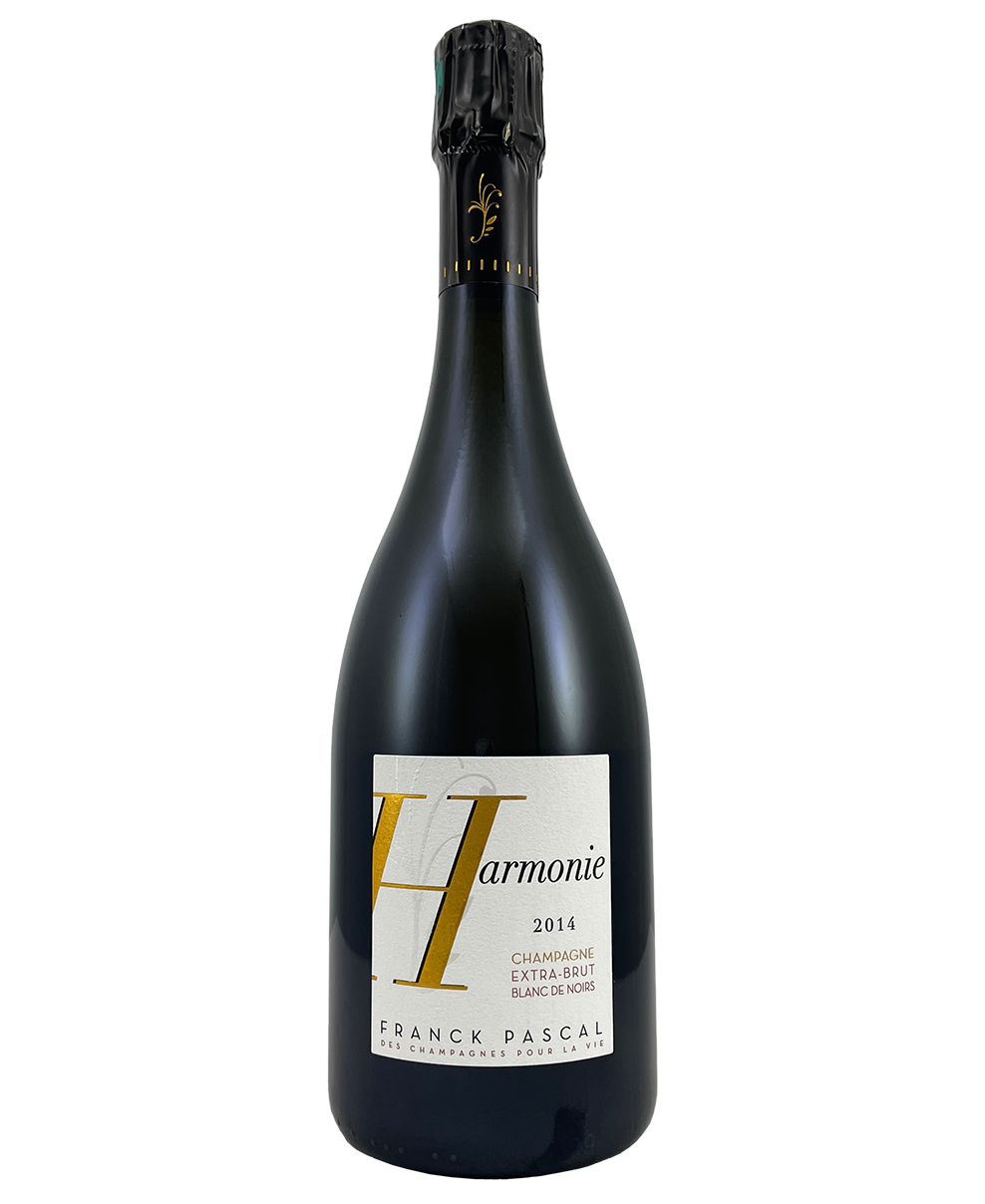
Notes:
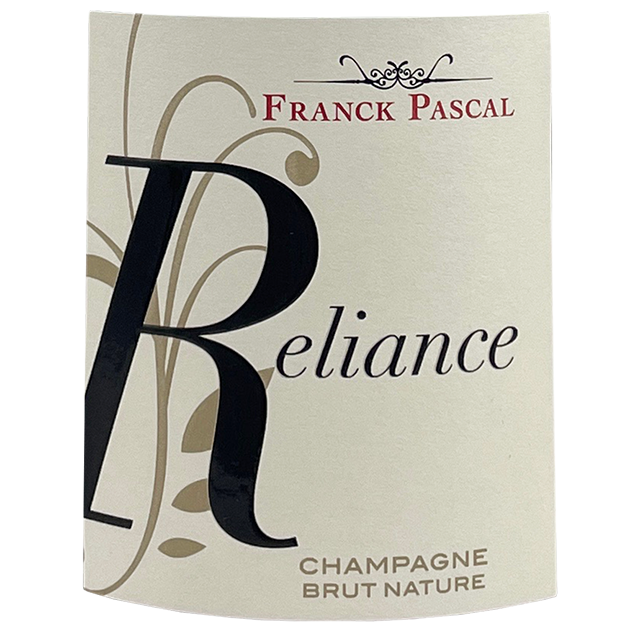
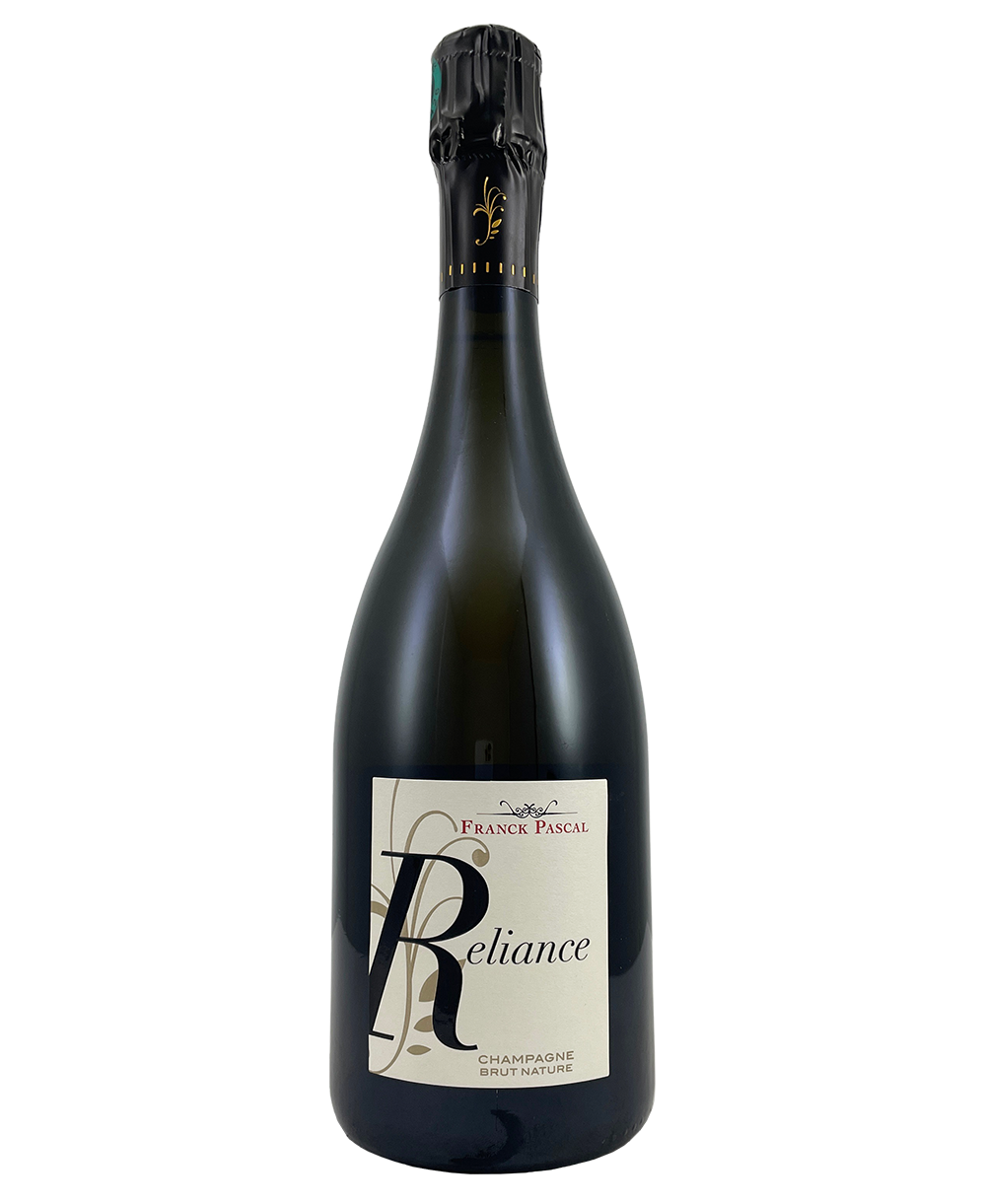
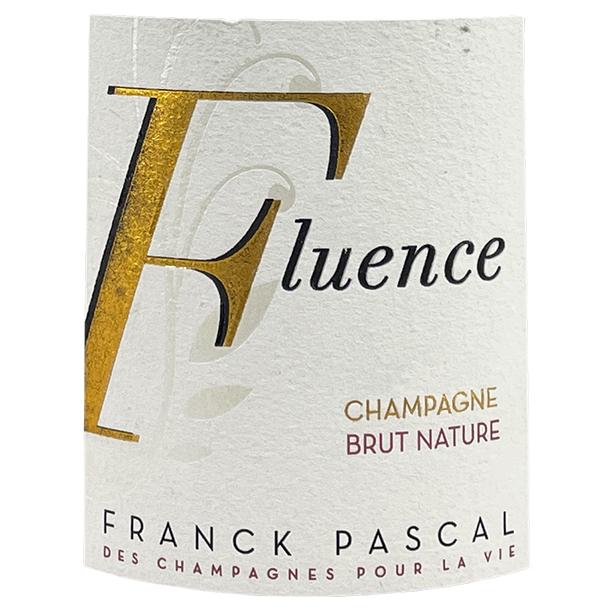
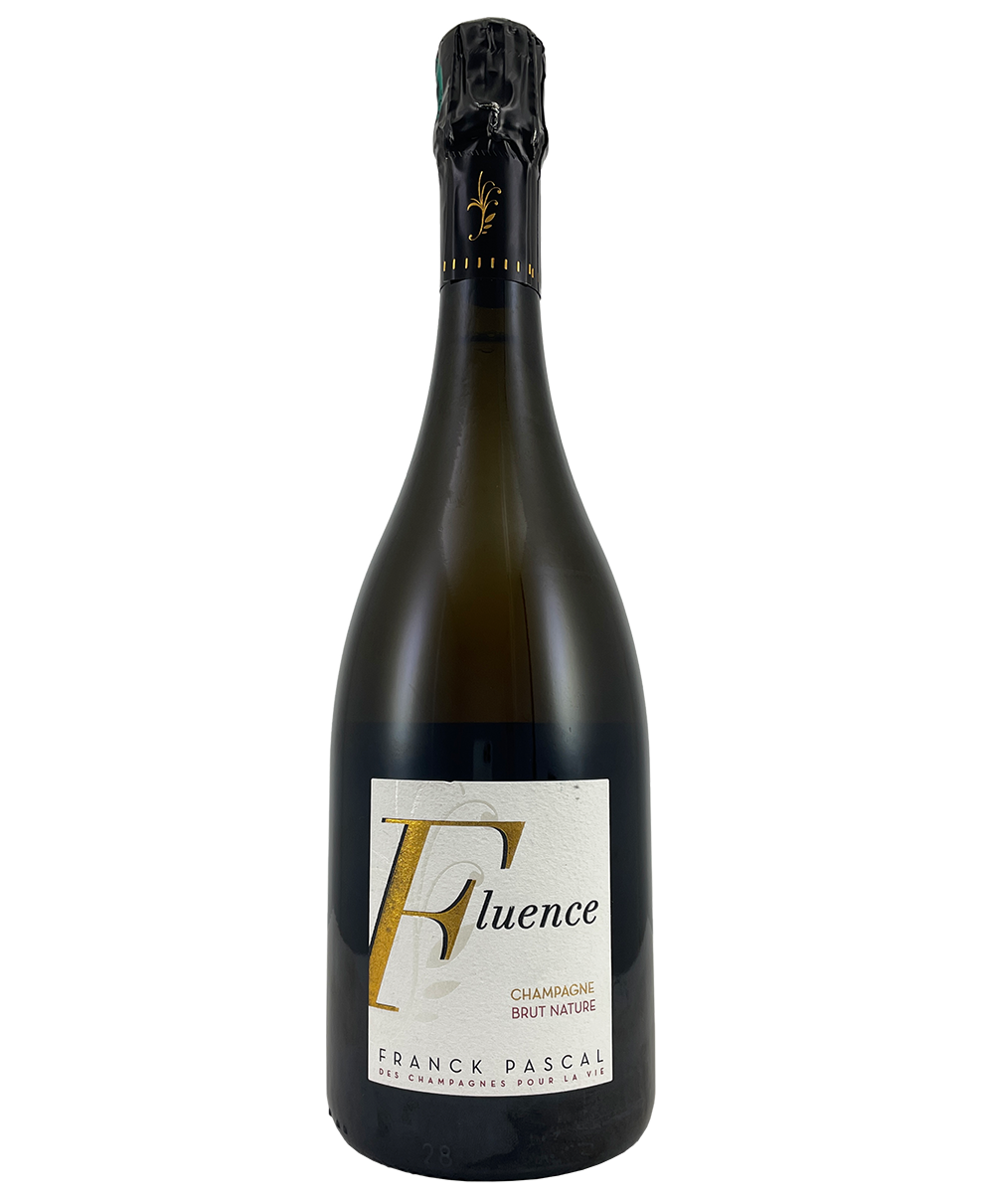
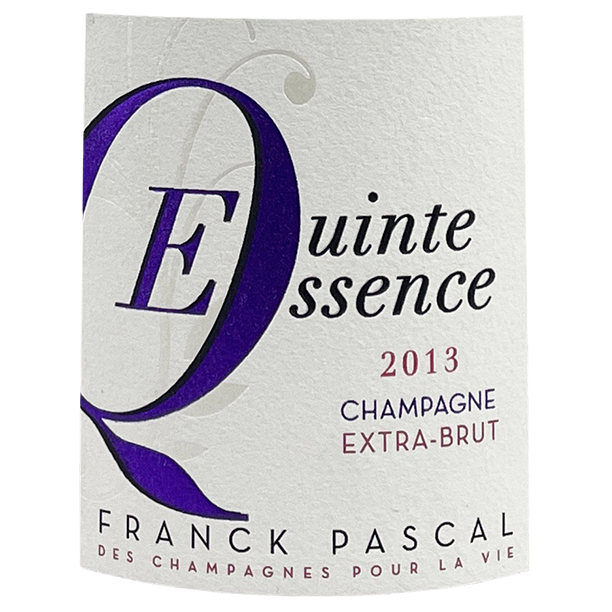
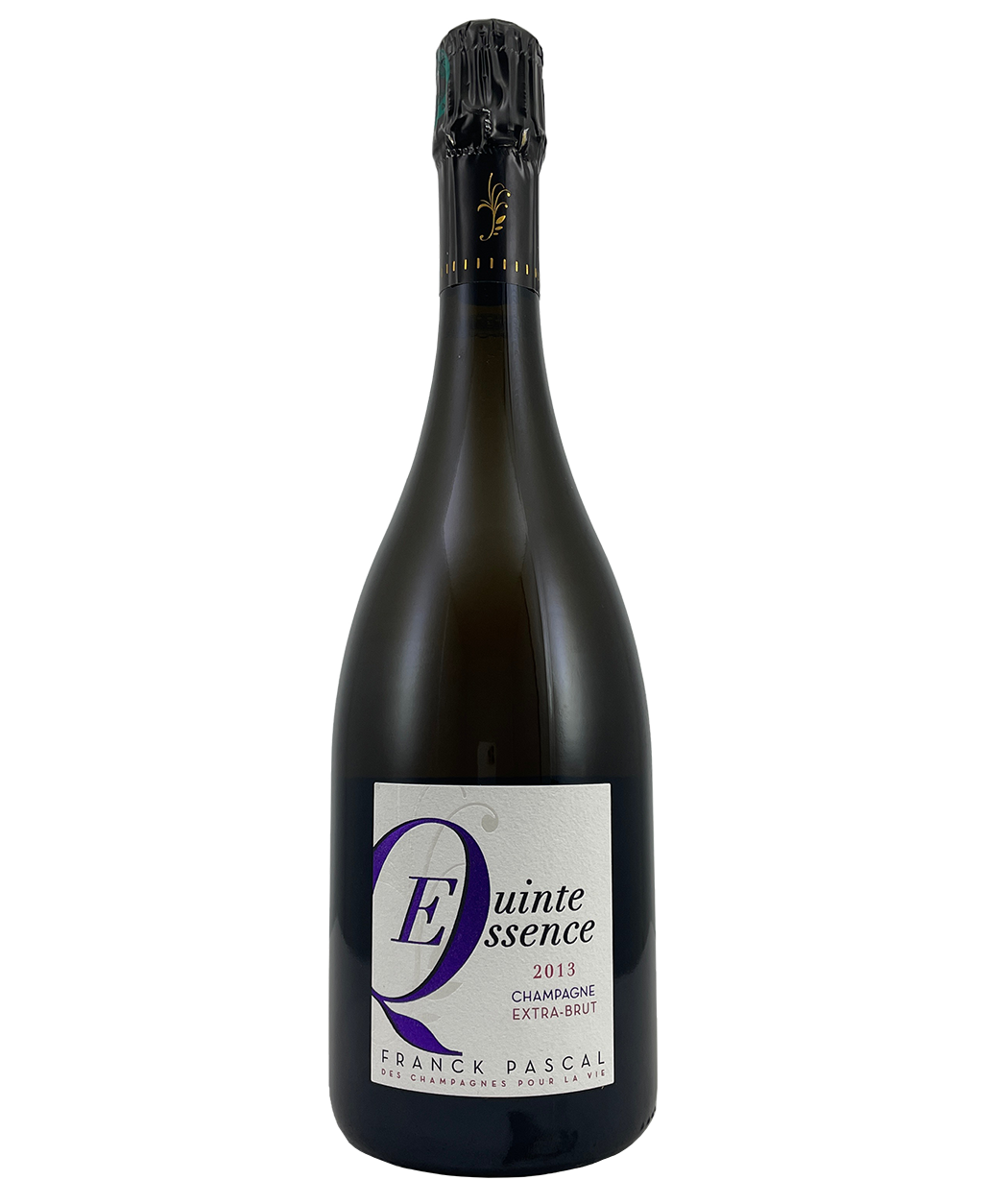
Producer: Champagne Franck Pascal is one of the pioneering biodynamic growers of the Vallée de la Marne. Franck Pascal assumed responsibility for the family estate in the mid-1990s and quickly shifted away from conventional viticulture, eliminating herbicides and synthetic chemicals before converting the vineyards to certified biodynamic farming under Biodyvin certification. Today, the domaine farms approximately 7 hectares, planted predominantly to Pinot Meunier alongside Pinot Noir and Chardonnay. Pascal's philosophy centers on producing wines that faithfully express both the vineyard and the vintage through minimal intervention. Grapes are harvested entirely by hand, fermentations proceed with indigenous yeasts, and the wines are vinified in older French oak barrels rather than stainless steel. Sulfur additions are kept exceptionally low, wines are neither fined nor filtered, and dosage is intentionally restrained to preserve clarity and vineyard character. Extended lees aging is another defining element of the estate's style, allowing texture and complexity to develop naturally while maintaining freshness and precision. Rather than pursuing richness through dosage or oak influence, Pascal relies on patient élevage and meticulous farming to create Champagnes distinguished by purity, energy, and longevity. His wines have become reference points among grower Champagnes for their transparent expression of the Vallée de la Marne and their commitment to biodynamic viticulture.
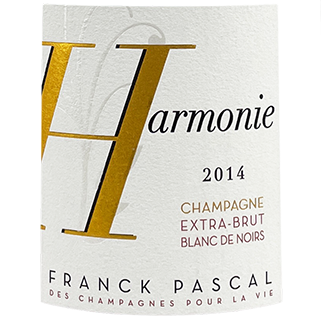
Vineyard: Harmonie is produced from estate vineyards surrounding Baslieux-sous-Châtillon in the western Vallée de la Marne, an area historically recognized for its suitability to Pinot Meunier while also supporting excellent Pinot Noir. The vineyards are planted on classic Marne Valley soils composed of clay, limestone, chalk, and sand over limestone subsoils. These soils provide sufficient water retention for Meunier while maintaining the drainage necessary for balanced ripening. The 2014 growing season produced fruit with vibrant acidity and excellent phenolic maturity, providing the structure needed for long lees aging. Certified biodynamic farming encourages deep root development and healthy microbial activity within the soils, while manual harvesting and rigorous fruit selection ensure only fully mature fruit is included in the final blend. The result is a Blanc de Noirs that combines the generosity of Meunier with the structure and definition contributed by Pinot Noir, while retaining the mineral freshness characteristic of the Marne Valley.
Winemaking: Fruit is harvested entirely by hand before gentle pressing. Fermentation begins naturally with indigenous yeasts in older French oak barrels, where alcoholic and malolactic fermentations proceed without commercial yeast inoculation. The wine remains in barrel before bottling for its secondary fermentation and then spends approximately ten years aging on its lees, allowing autolytic complexity to develop gradually while maintaining freshness. Following disgorgement in January 2023, the wine receives an Extra Brut dosage of 2 g/L, preserving the purity of the fruit and mineral structure. No fining or filtration is employed, and sulfur additions are kept deliberately low throughout élevage. The extended lees aging contributes texture and depth without relying on sweetness, allowing the wine's chalky minerality, vinous structure, and mature autolytic character to remain the defining features of the finished Champagne.
Food Pairing: Pair with oysters, lobster, scallops, roasted turbot, Dover sole, roast chicken, pork loin, veal, mushroom dishes, Comté, or aged Gouda. The wine's extended lees aging, low dosage, and vinous structure also make it particularly well suited to truffle preparations, caviar, and richer seafood dishes finished with beurre blanc or cream-based sauces.
Choose options
More Products Like This