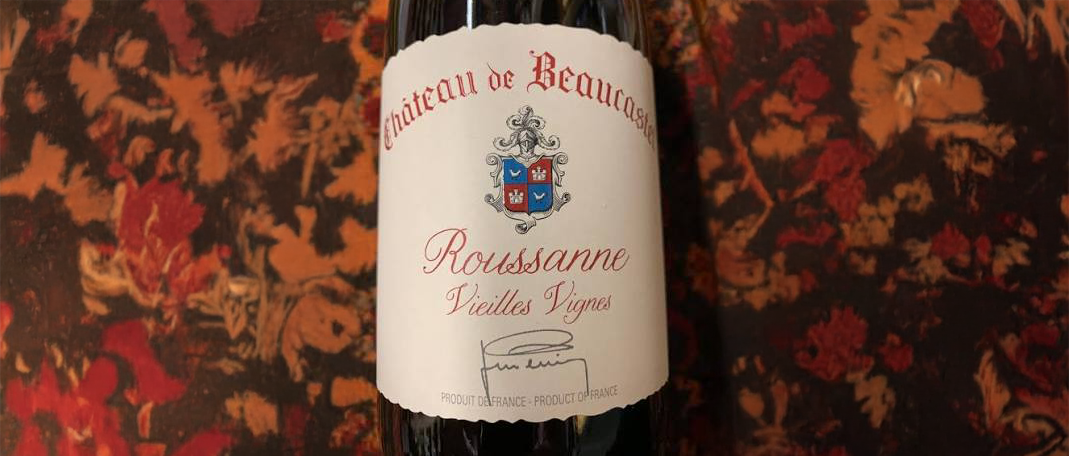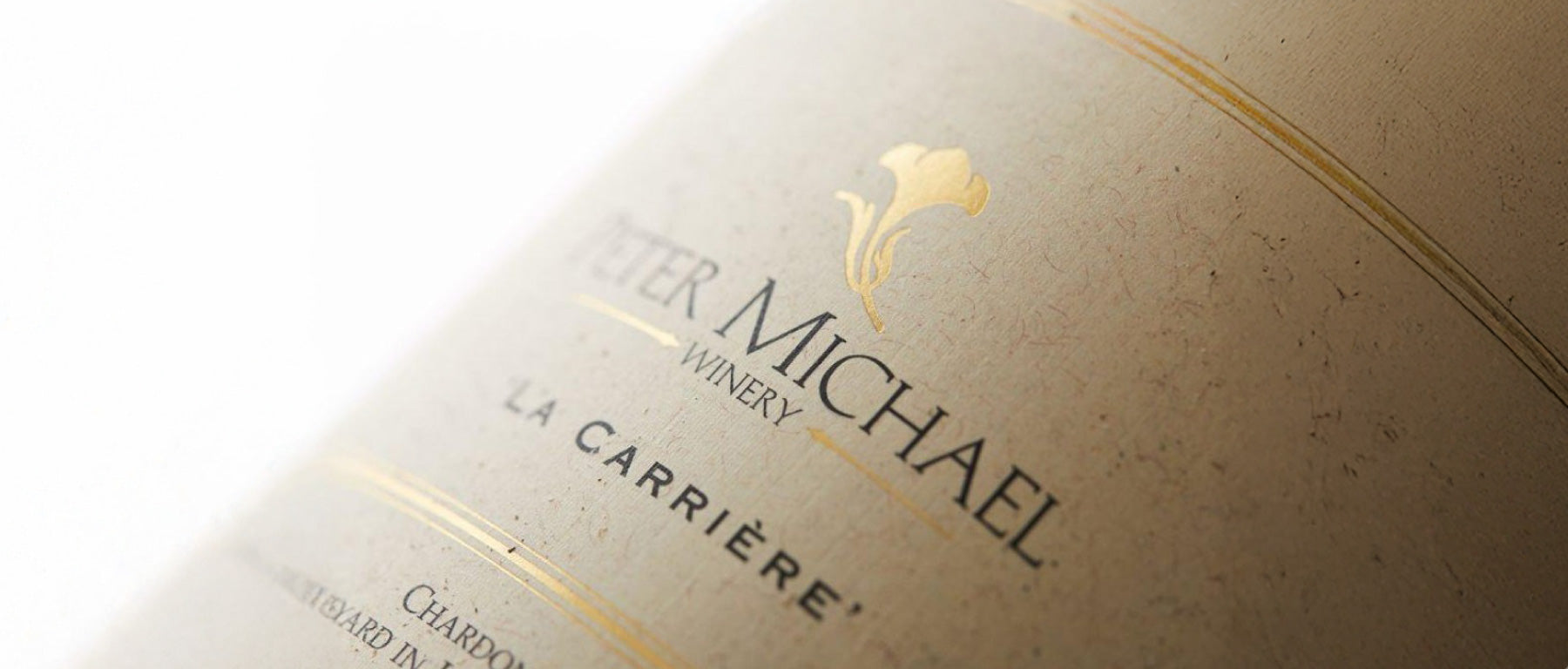
Bougy | Rogerie

Champagne's next generation is rewriting the rules, and I'm excited to share two of the most compelling names to emerge in years — both crafting wines of real precision and place, both proof that the region's future is in extremely good hands.

Élise took over her family's vineyards in 2018 with a business degree from Dijon, viticulture training in Champagne, and Paris wine-trade experience behind her. What she didn't have was a winery. Her father had always sold the fruit to the co-op, so there was no press, no cellar, nothing to make wine with.
So she built everything from the ground up, making her first vintage at a friend's facility with secondhand Burgundian barrels, and by 2019 she had her own equipment and had begun converting the vineyards to organic farming. Today her three hectares are certified organic, farmed to express each individual parcel.
Le Mont Chainqueux, located in the Montagne de Reims, comes from a single 1.8-hectare parcel of Meunier and Pinot Noir, co-planted in 1965 on iron-rich sandy soil. Based on the 2022 harvest, it's aged ten months in a 20-hL Stockinger foudre with 20% barrel-aged reserve wine from the previous vintage, then disgorged with zero dosage. The nose offers orange peel, rooibos, white pepper, and physalis, while the palate is medium-to-full bodied and taut, with racy acidity and a fine phenolic grip that carries through a long, tangy finish. A singular expression, and absolutely stunning.

I got the chance to meet both François and Justine at their newly converted winery in Flavigny, and I was amazed at how young they both are. He's from Champagne, she's from Alsace, and together they've become one of the defining young estates in the Côte des Blancs. Starting with a quarter-hectare in 2018, they've grown to 2.4 hectares of old-vine, massal-selection Chardonnay, with 90% of the fruit coming from grand cru vineyards in Avize and the remainder from Cramant and Oger. The precise vineyard work really shows in the wines, as they've nursed depleted soils back to health through cover crops, decompaction, and tressage, the traditional technique of weaving shoots together atop the canopy for shade and slower ripening.

Fruit is picked at full physiological maturity, and élevage takes place in a combination of 600L demi-muid and traditional 228L Burgundy barrels for eleven months. The style here is definitely vinous — we tasted a number of vins clairs from cask and it felt more like we were in Meursault than in Champagne. The wines see full malolactic fermentation, are bottled at 5.5 atmospheres rather than the traditional 6, and are finished with very little to no sugar.
The cuvée I'm offering today is called Le Bourg / Sud, where the fruit comes from vineyards in the southern portion of Avize.
This is a perpetual cuvée of 100% grand cru Chardonnay that was started in 2018 and is based on the 2022 vintage, with the reserve wine aged in the foudre pictured here.
I did get a chance to taste both of these wines at some of the local restaurants, and each time I came back to them I was more and more impressed. I know these are not inexpensive wines, but they rival some of the best being made in Champagne today. I'm excited to see what the future brings for both of these producers, and I only hope they get some more vineyards to work with. Do yourself a favor and get out ahead of herd on these - you will be glad to own these.


Based on the 2022 vintage and disgorged in January 2025 with a dosage of 1.5 grams per liter, the NV Blanc de Blancs Bourg/Sud reveals a deep bouquet of orange oil, freshly baked bread, pear and early-blooming spring flowers. It is medium- to full-bodied, fleshy and textural, with a palate laden with ripe yet racy acids and framed by chalky structuring extract that imparts a compensatory impression of freshness, culminating in a long, saline finish. The 2022 vintage represents the first to be vinified in the new winery and also marks a considerable increase in the proportion of reserve wines, which has risen to 40%. As readers will recall from my previous writing, this cuvée is born from the division of La Rogerie’s Lieux de Vie: the new Bourg/Sud is sourced from sites in the southern part of the estate and is heavily based on Avize fruit.
- Wine Advocate/Kristaps Karklins, 95
50% Pinot Noir + 50% Pinot Meunier (co-planted on the parcel).
The parcel was planted in 1965 by her grandparents (Yves and Marie-Louise Bougy).
Terroir: The vineyard sits on slopes of Montagne de Reims, with soils described as “silt over chalk on the lower slope, clay over sand on the upper slope” and exposure south-east.
-
Viticulture & vinification:
Farmed organically and moving toward biodynamics (or using biodynamic methods).
Vinification is natural: spontaneous fermentations (alcoholic and malolactic), no filtration, no fining, 0 g/l added sugar)
Aged around 7 months in barrels/foudre
Production - 1500 bottles