Notes:
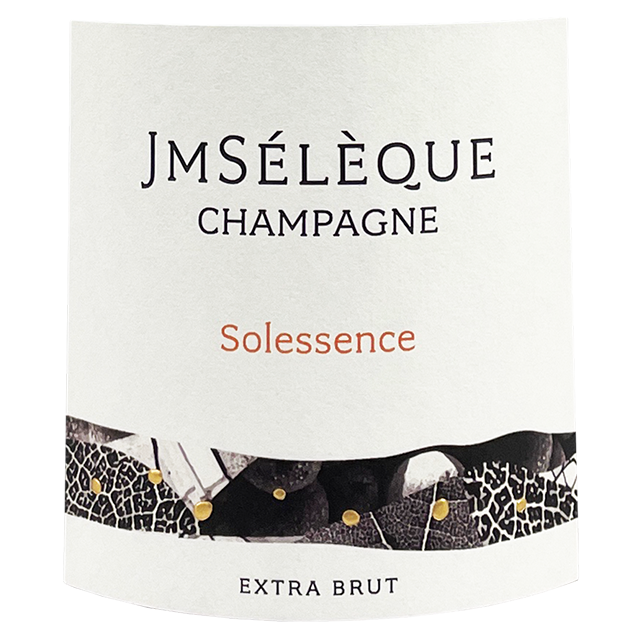
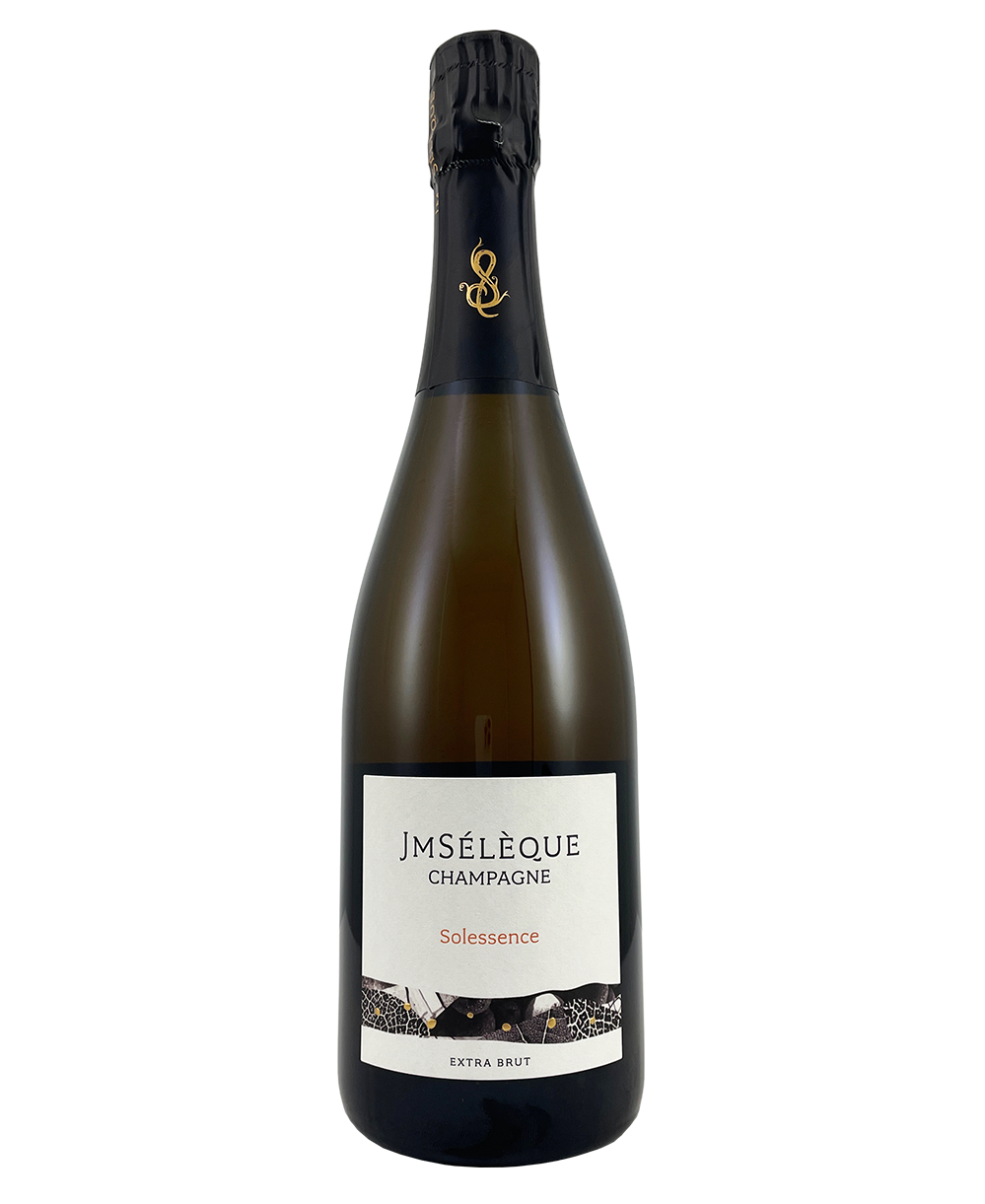
Assemblage: 50% Chardonnay | 40% Meunier | 10% Pinot Noir
Disgorgment: January 2023
Dosage: 2g/L
Based on the 2020 vintage and disgorged in December 2022, the latest rendition of Slque's NV Extra Brut Solessence reveals aromas of white flowers, ripe citrus fruit, peach and almond paste. Medium-bodied, ample and pillowy, it's chalky and precise, with a bright spine of acidity and a pure, mineral finish. It's a terrific introduction to the domaine's range. William Kelley 92
William Kelley | Wine Advocate: As I've written before, Jean-Marc Slque is one of Champagne's most exciting and dynamic young producers. Based in Pierry in the Coteaux Sud dEpernay, Slque returned to the family domaine in 2008 and immediately stopped the use of herbicides; but he dates his realization that the raw materials for greatness are to be found in agronomy and not in the cellar to 2012. Farming is essentially organic, with some biodynamic practices, with the soils cultivated mechanically (in some instances, by horse) and canopies hedged higher than the average for additional shade and photosynthesis. Winter and intra-row cover crops mitigate erosion and preserve moisture in the soil. In the winery, much of the production is vinified in wood, without fining or filtration, and Slque favors native fermentations and doesn't encourage or discourage malolactic. As his viticultural progress bears dividends, these wines go from strength to strength, and I find myself more and more impressed with every passing release. Now, a large underground and overground extension to his winery means Slque has the space and materials to be able to push his projects even further. Pierry enjoyed considerable historical celebrity, and thanks to Slque, it seems more than likely to regain it. Everything here comes recommended, and I warmly encourage readers to acquaint themselves with these wines.
Producer: Champagne J.M. Sélèque is a family-owned grower-producer based in Pierry, immediately south of Épernay. The estate was founded in 1965 by Henri Sélèque, expanded by Richard Sélèque beginning in 1974, and is now managed by the third generation, Jean-Marc Sélèque, who joined the domaine in 2008 after studying viticulture and gaining experience in Burgundy, California, and South Africa. Today the estate farms approximately 9 hectares divided among more than 45 parcels spread across seven villages: Pierry, Moussy, Épernay, Mardeuil, Dizy, Boursault, and Vertus. This fragmented vineyard holding allows Jean-Marc to produce both multi-village blends and single-parcel bottlings that highlight differences in terroir. Vineyard management emphasizes sustainable farming, cover crops, reduced chemical inputs, and hand harvesting. In the cellar, each parcel is vinified separately to preserve its identity before blending, while fermentation vessels are selected according to the character of each wine rather than following a fixed formula.
Vineyard: Solessence is the estate's flagship Champagne and represents the broadest expression of its vineyard holdings. The current release is a blend of 50% Chardonnay, 40% Meunier, and 10% Pinot Noir sourced from vineyards in Pierry, Moussy, Épernay, Mardeuil, Dizy, Boursault, and Vertus. The vineyards are planted predominantly on clay-rich silt soils containing limestone and flint, with Campanian chalk lying beneath at varying depths depending on the village. This geological diversity contributes both water retention from the clay-rich topsoil and drainage from the underlying chalk, while the broad range of exposures and elevations allows the blend to combine fruit from the Vallée de la Marne and the Côte des Blancs. Approximately 50% of the final blend is derived from the estate's perpetual reserve, which is maintained in both stainless steel tanks and oak vessels and incorporates wines from numerous previous harvests to provide continuity between releases.
Winemaking: Solessence is produced from the 2022 harvest for the standard 750 ml bottling, complemented by 50% perpetual reserve wine. Each vineyard parcel is harvested by hand and vinified separately before blending. Fermentation and élevage occur over approximately 10 months, with 60% of the wine aged in stainless steel tanks and 40% in French oak barrels. The wine undergoes no fining and no filtration, preserving texture and minimizing cellar intervention before bottling. Following tirage, the bottles mature on the lees for approximately two years under crown cap before disgorgement. The finished wine is released as Extra Brut with a dosage of approximately 2 g/L, reflecting the estate's objective of preserving the balance between freshness, texture, and vineyard expression rather than emphasizing sweetness. Annual production is approximately 73,675 bottles, together with 3,305 magnums and 100 jeroboams, making Solessence the domaine's largest and most representative cuvée.
Food Pairing: The combination of low dosage, vibrant acidity, and balanced fruit makes Solessence a versatile Champagne for a wide range of foods. It pairs naturally with oysters, shrimp, crab, lobster, sashimi, grilled white fish, Dover sole, and scallops, while its texture also complements roast chicken, pork loin, veal, and mushroom-based dishes. Hard cheeses such as Comté and aged Gruyère, as well as soft-ripened cheeses including Brie de Meaux, pair well with the wine's combination of chalk-derived minerality and extended lees aging.
Choose options
More Products Like This