
Notes:
The 2023 Châteauneuf-du-Pape Cuvée Réservée launches with vivid violet, rosewater and ripe red fruits, with a sprinkle of white pepper and leafy gradations. Less structured and concentrated than the more serious 2022, the 2023 is full-bodied, no doubt, but also outstandingly light on its feet. A long and refined finish confirms its potential. Vinous Media 92-94
Producer: Domaine du Pégau is one of the benchmark estates of Châteauneuf-du-Pape and has been owned by the Féraud family for generations, with the family's agricultural roots in the region dating back to the seventeenth century. The modern domaine was established in 1987, when Laurence Féraud returned after completing her enology studies and joined her father, Paul Féraud, to create Domaine du Pégau from the family's former Domaine Féraud holdings. Since its founding, the estate has become internationally recognized for preserving a traditional approach to Châteauneuf-du-Pape at a time when many producers adopted more modern techniques. The domaine farms approximately 21 hectares within the appellation, spread across more than twenty individual parcels. Vineyard work emphasizes low yields, sustainable farming, and manual harvesting. In the cellar, the philosophy remains intentionally traditional: grapes are harvested by hand, clusters are retained intact without destemming, fermentations occur naturally with indigenous yeasts, and the wines mature in large, neutral oak foudres rather than small new barrels. The objective is to preserve the character of both the vineyard and vintage while producing wines capable of extended aging. Under Laurence Féraud's direction, Domaine du Pégau has earned a reputation for producing some of the appellation's most classic and longest-lived wines, remaining one of the reference points for traditionally made Châteauneuf-du-Pape.
Vineyard: Cuvée Réservée is sourced from estate-owned vineyards scattered throughout Châteauneuf-du-Pape, rather than from a single climat. The diversity of parcels allows the blend to capture the full character of the appellation while maintaining consistency with the domaine's traditional style. The vineyards are planted primarily on the region's classic galets roulés (rounded quartzite stones) over layers of clay, limestone, iron-rich soils, and sand, with each soil type contributing a different element to the final blend. The galets absorb heat during the day and slowly release it overnight, promoting even ripening, while the underlying clay retains moisture during the dry Mediterranean summers. Grenache dominates the oldest parcels, many of which exceed fifty years of age, contributing concentration and naturally low yields. The remaining permitted varieties provide structure, freshness, aromatic complexity, and nuance, following the historic field-blend tradition of Châteauneuf-du-Pape rather than emphasizing a single grape variety.
Winemaking: The 2023 Cuvée Réservée follows Domaine du Pégau's long-established methods. Fruit is harvested entirely by hand and fermented as whole clusters, with no destemming. Alcoholic fermentation begins naturally using indigenous yeasts in concrete tanks, followed by approximately twelve days of maceration. After fermentation, the wine is transferred to large, neutral 50-hectoliter oak foudres, where it matures for approximately two years before bottling. No new oak is employed, allowing the fruit and vineyard character to remain the dominant expression of the wine. The blend consists primarily of Grenache (80%), supported by Syrah (6%), Mourvèdre (4%), and approximately 10% of the remaining permitted Châteauneuf-du-Pape grape varieties, maintaining the estate's traditional field-blend philosophy. The absence of destemming, long élevage in old foudres, and minimal cellar intervention contribute to the wine's structure, complexity, and proven ability to evolve over decades in bottle.
Food Pairing: The structure and savory complexity of Cuvée Réservée make it particularly well suited to hearty Mediterranean cuisine. It pairs naturally with herb-crusted rack of lamb, grilled ribeye, venison, braised beef short ribs, duck confit, wild boar, and roasted game birds. The wine's combination of ripe Grenache fruit, earthy spice, and garrigue also complements Provençal lamb, cassoulet, mushroom dishes, black olive tapenade, aged Gouda, Comté, and other firm alpine cheeses. Decanting in its youth allows the wine's aromatic complexity to develop further while enhancing its versatility at the table.
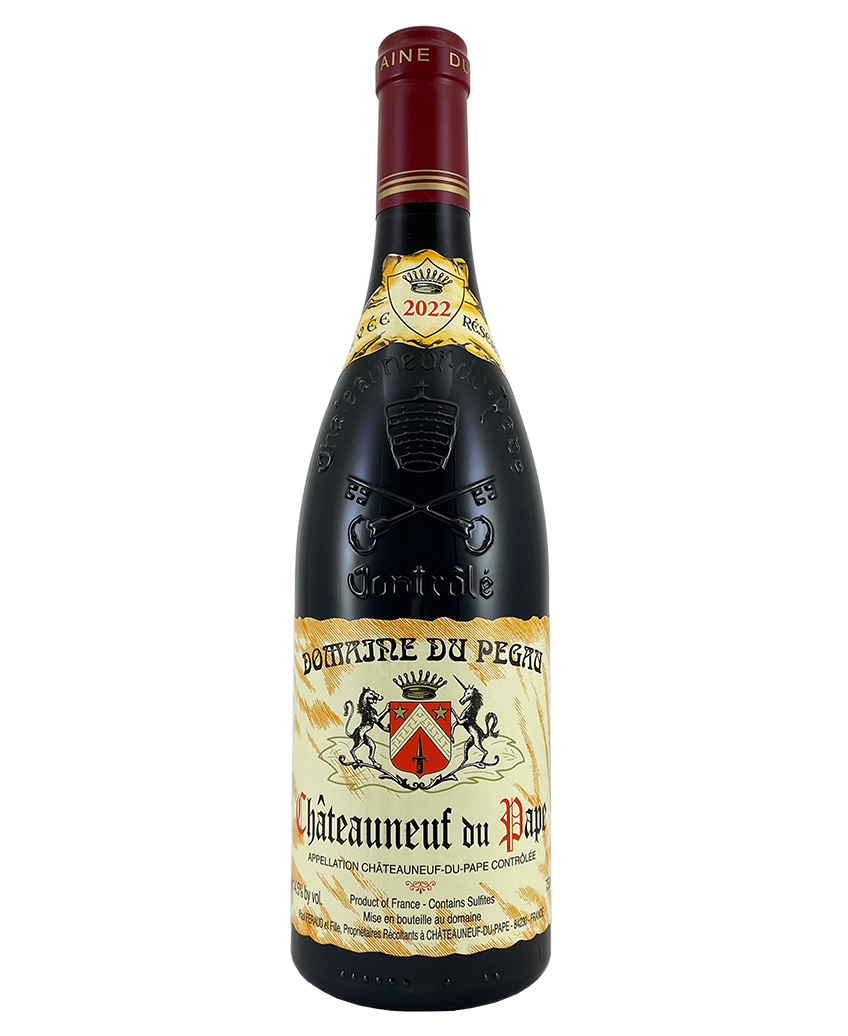
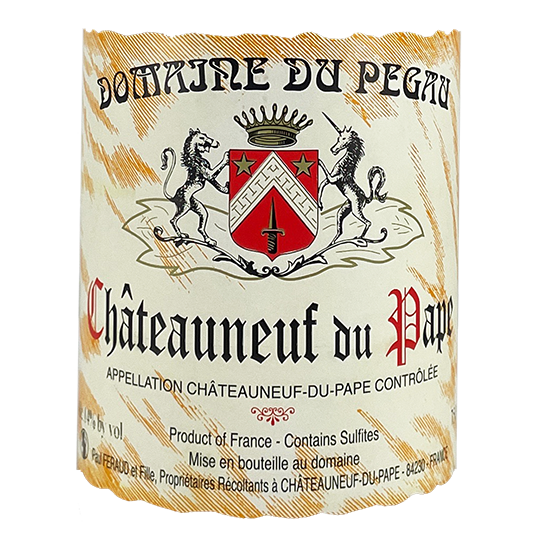
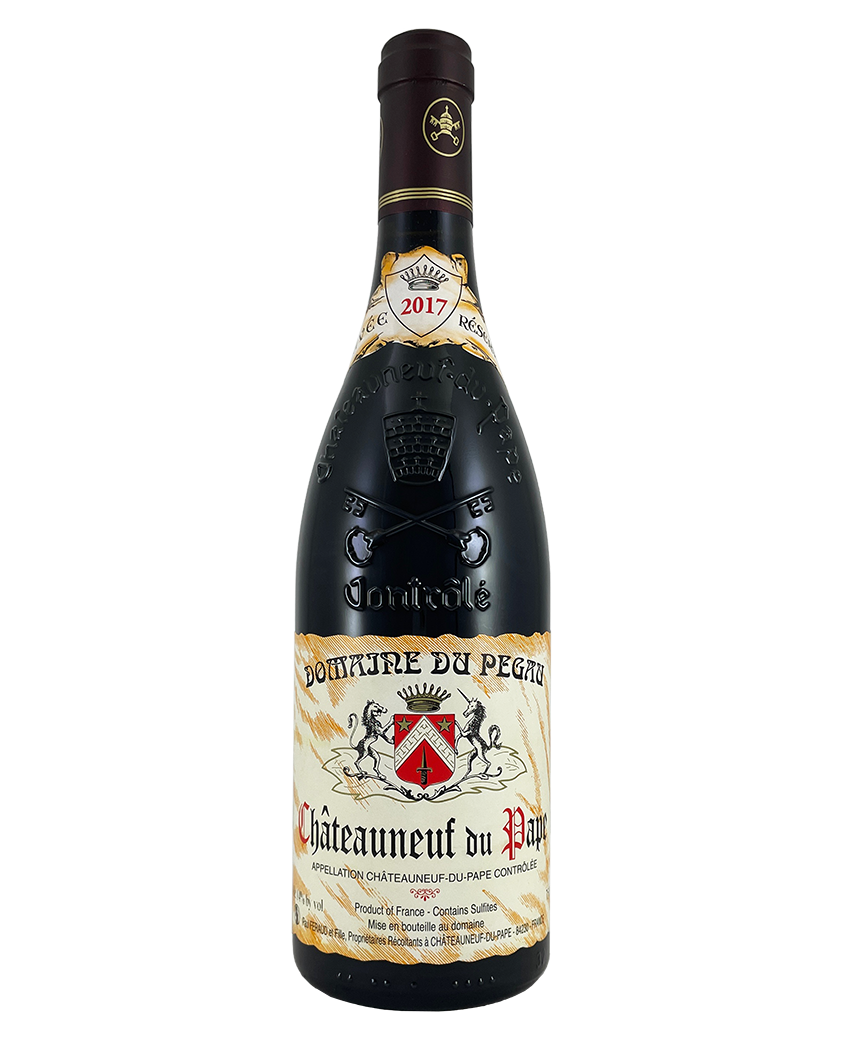
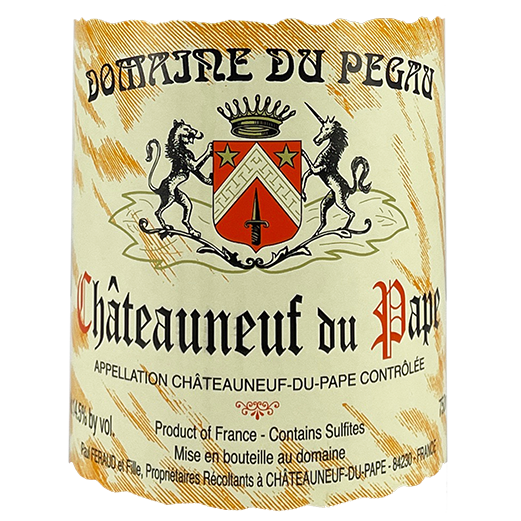
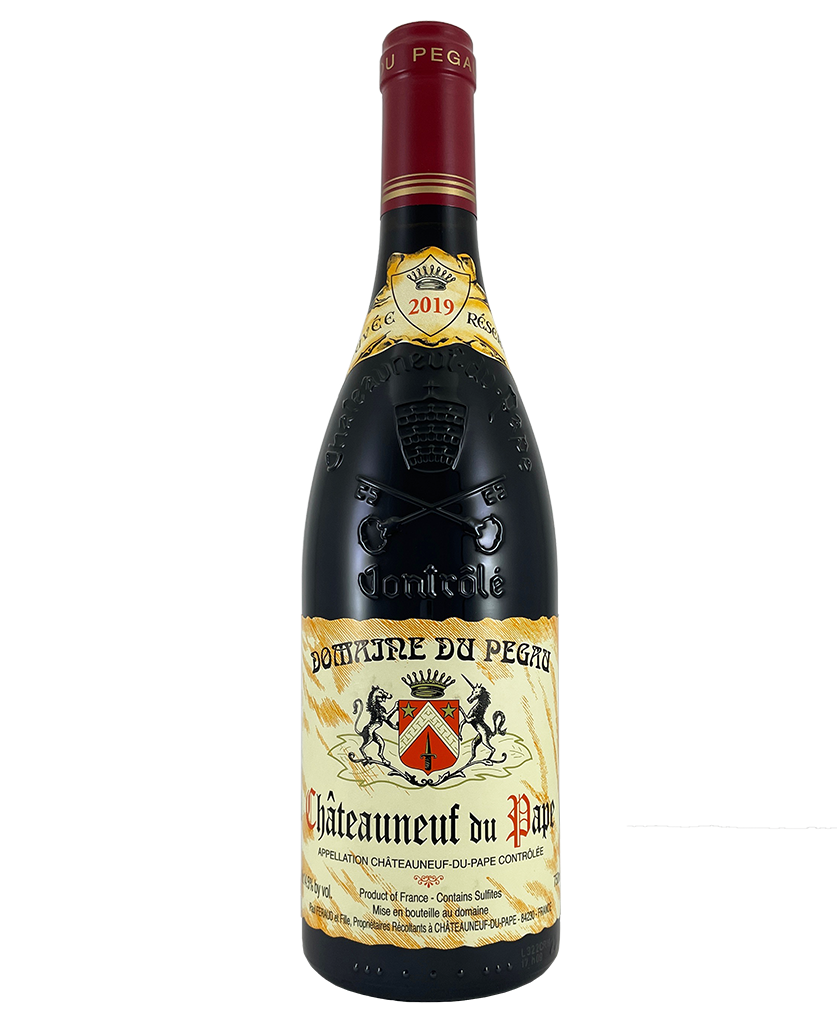
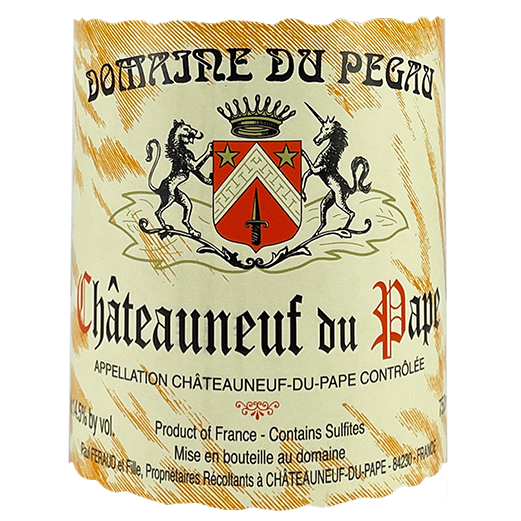
Pegau Chateauneuf-du-Pape "Cuvee Reservee" 2023
Reviews:
Vinous Media: 92-94
Jeb Dunnuck: 94-96
Choose options
More Products Like This