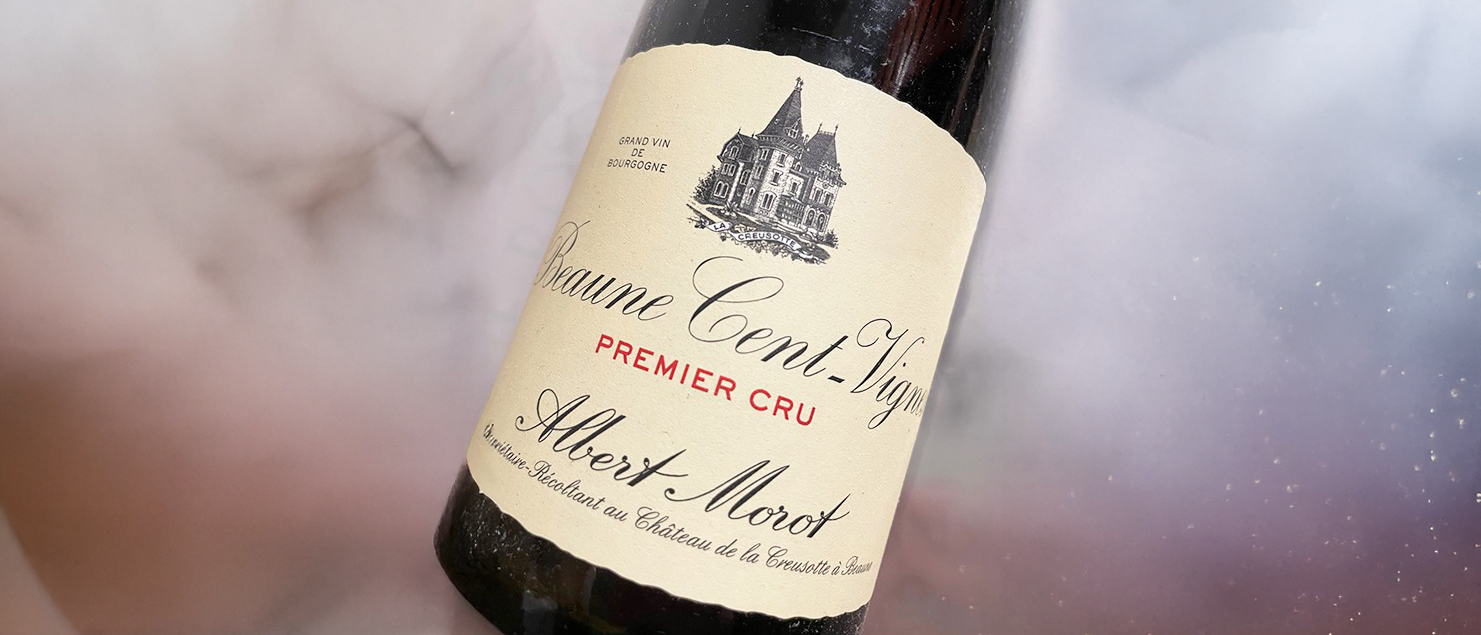
Albert Morot 2015

Albert Morot is a Domaine I visited on one of my very first trips to Burgundy in 1995 and have been buying the wines ever since. The Domaine has existed since 1820 and has one of those deep Beaune cellars down one of the side streets right off the main circle. At 8 hectares in size with mostly Premier Cru vineyards, it's an address I've found offers incredible bang for the buck across some of Beaune's best vineyards.
When I saw these 2015s offered, I just replied: I'll take them all.
As we know, 2015 is regarded as one of the best vintages of this century, and I'd argue these are among the top wines Geoffroy Choppin de Janvry produced while at the helm from 2000-2023. The Domaine was sold in 2023.
I visited the estate a number of times over the years. On my visit in 2012, Geoffroy was in the process of gaining organic certification, which he received with the 2015 vintage. He was at this time also experimenting with the use of whole cluster (20-30%) and a few more new barrels, as those were some of the en vogue techniques being used at that time. I think it worked well in a ripe vintage like 2015 where the stems and fruit were both amply ripe. He managed the yields well too—most things came in around 30 hl/ha, which is one of the reasons there was such excellent concentration in this vintage.
Cent-Vignes sits at the bottom of the slope, around 220 meters, where limestone gives way to more clay and silt. Morot has a substantial 1.27 hectares here, with old vines that include plantings from 1958. It's the more giving side of the pair: there's flesh and depth to it, but also a freshness that keeps the wine moving. With ten years behind it, this is exactly where I want Beaune to be—the fruit has started to soften around the edges, the structure has settled in, and the more savory side of Pinot Noir begins to come forward.
Toussaints changes the picture. It sits higher on the slope, from thinner, more rocky soils, which creates a wine with more tension and muscle. At 10 years now, it's beginning to shed some of that hard edge.
As a side-by-side with Cent-Vignes, that makes for a pretty interesting look at Beaune: one broader and more generous, the other tighter and more structured, both now with enough bottle age to let the vineyard start speaking louder than the vintage.
I don't have much of either of these—grab a few, you will be happy you did!
One optional note: "Premier Crus" is the common English-language usage, though the strict French plural would be "Premiers Crus" — worth knowing but not something I'd say needs changing.

A ripe yet appealing fresh nose displays notes of black cherry liqueur, plum, violet and warm earth. The sleeker and more refined but not more concentrated flavors possess slightly better verve on the lightly mineral-inflected finish. I like the underlying tension though this needs to develop a bit more depth to merit the upper end of my projected range.
- Burghound, 90-92
Bright ruby-red. Rather powerful, wild scents of blackberry, leather and game display very good lift. Dense, sappy and taut on the palate, but with a subtle touch of sweetness to the concentrated, slightly rustic flavors of black cherry and leather. The full tannins are spicy, not dry, with the finish displaying a subtle saline quality. Serious material here.
- Vinous/Tanzer, 89-91
Reduction presently renders the nose tough to assess but there is good freshness to the very rich, concentrated and mouth coating flavors that are also quite generously proportioned. The ample amounts of dry extract impart a velvety, even opulent palate impression that also buffers the medium firm tannins on the slightly warm finish. This easy-to-like effort should drink reasonably well early if preferred.
- Burghound, 89-92