
Notes:
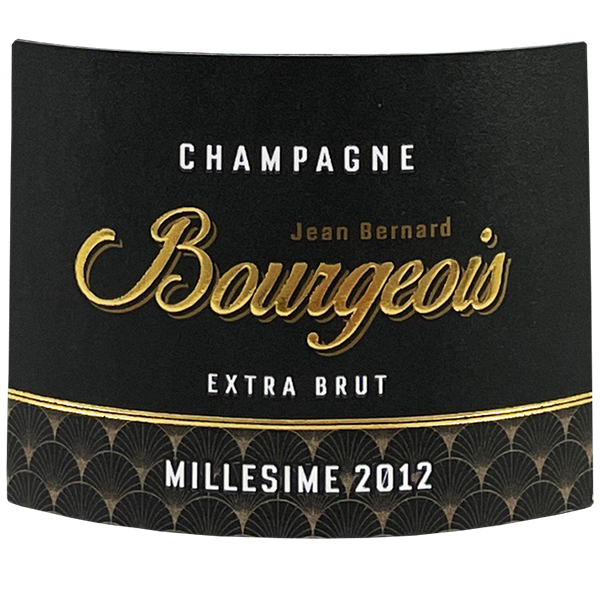
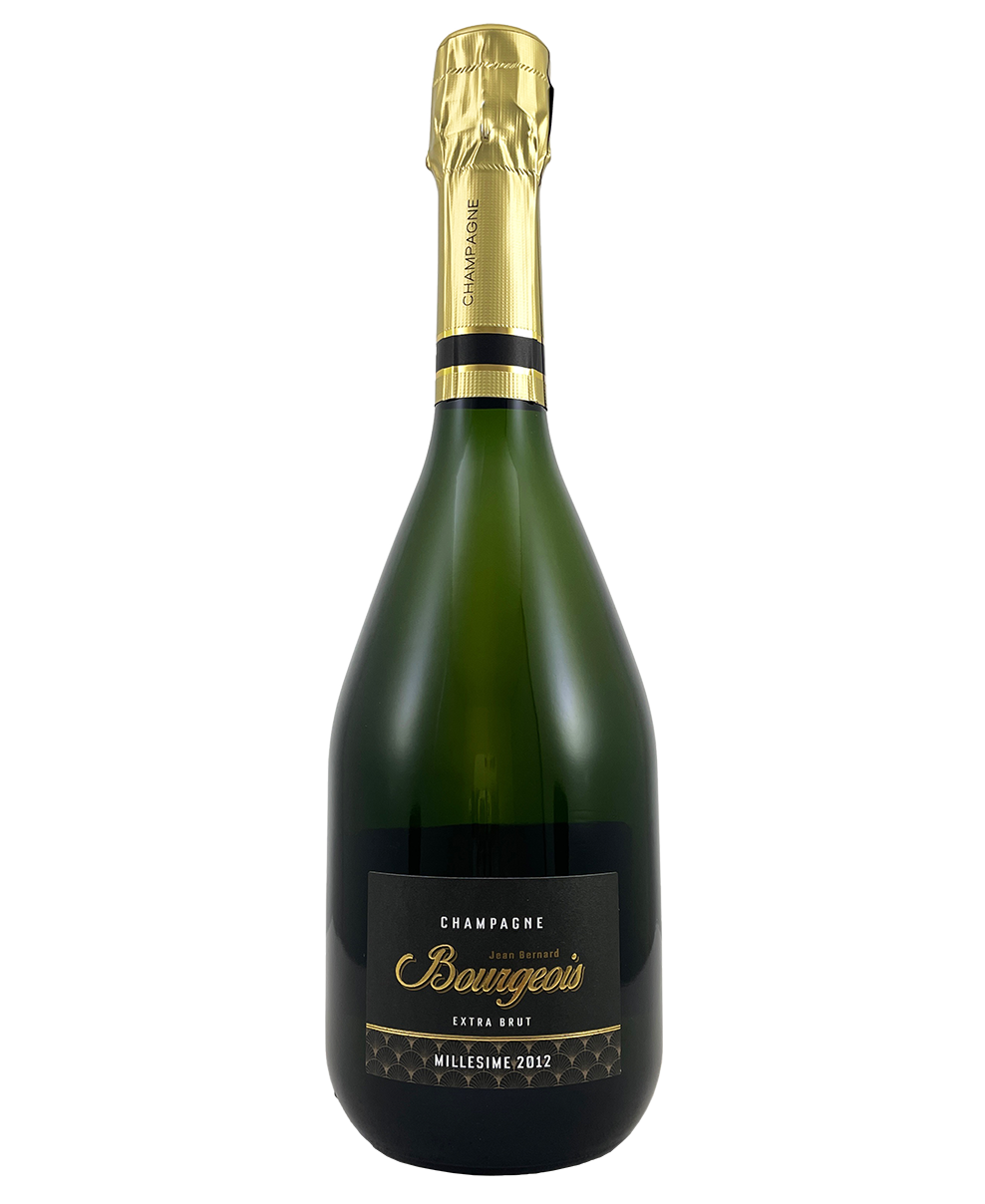
Vendange 2012, cœur de cuvée
Tirage en avril 2013
dégorgement 2022
Dosage extra-brut à 3 g/L
Producer: Champagne Jean-Bernard Bourgeois is a family grower based in Courmas in the Petite Montagne de Reims. The estate traces its vineyards to 1963, when Irénée Bourgeois and his son Jean-Bernard planted their first vines in Courmas. The family gradually expanded the property to approximately 7 hectares, with vineyards in Courmas, Coulommes-la-Montagne, and the Premier Cru village of Jouy-lès-Reims. Since 2006, the estate has been run by Jean-Bernard’s children, Jérôme and Céline Bourgeois. Jérôme oversees vineyard work from pruning through harvest, while Céline is responsible for the wines and commercial side of the domaine. The family grows all three principal Champagne varieties—Chardonnay, Pinot Noir, and Pinot Meunier—and produces a range of cuvées with an emphasis on extended cellar maturation. Gault & Millau notes that the estate commonly ages its Champagnes for five to ten years on the lees. The domaine has held HVE3 and Viticulture Durable en Champagne certifications since 2021.
Vineyard: The 2012 Millésime Extra Brut is a blend of 50% Chardonnay and 50% Pinot Noir from Jean-Bernard Bourgeois’s holdings in the Petite Montagne de Reims, where the family farms vineyards in Courmas, Coulommes-la-Montagne, and the Premier Cru village of Jouy-lès-Reims. This western sector of the Montagne de Reims has a more varied geological profile than the exposed chalk slopes farther north, with chalk and limestone underlying varying proportions of clay, sand, and marl. The chalk-rich subsoils provide drainage and water reserves, while the greater presence of clay in some sites contributes additional body and fruit weight. The estate does not publicly identify the individual parcels or exact soil composition used for this particular cuvée, so it is more accurate to describe the broader terroir rather than attribute a specific soil type to the 2012 blend.
Winemaking: The 2012 is produced as an Extra Brut vintage Champagne, with the available technical information confirming a 50% Chardonnay and 50% Pinot Noir blend. Competition data for the wine lists vinification in stainless-steel tank, residual sugar of approximately 3 g/L, acidity of 6 g/L, and alcohol of 12%. The low residual sugar places the wine firmly within the Extra Brut category and limits the influence of dosage on the finished Champagne. Extended bottle maturation is a particularly important part of the cuvée: Gault & Millau’s 2022 assessment specifically referenced approximately eight years of cellar aging, noting the resulting balance between texture and flavor. This long lees-aging period allows the wine to develop mature Champagne characteristics while retaining the acidity and structure of the 2012 vintage. The wine remains notably dry, with Chardonnay contributing freshness and tension while Pinot Noir supplies additional depth and vinous structure.
Food Pairing: The combination of extended lees aging, low dosage, Chardonnay freshness and Pinot Noir structure makes this a particularly versatile Champagne at the table. Pair with oysters, scallops, lobster, crab, grilled or roasted white fish, fish carpaccio, smoked salmon, roast chicken, chicken in cream sauce, pork tenderloin, veal, mushroom risotto, Comté, Gruyère, or aged Parmesan. Richer poultry and cream-based dishes work particularly well with the wine’s developed texture, while seafood benefits from its acidity and very dry finish. Gault & Millau specifically recommends poultry in cream sauce with the 2012.
Choose options

